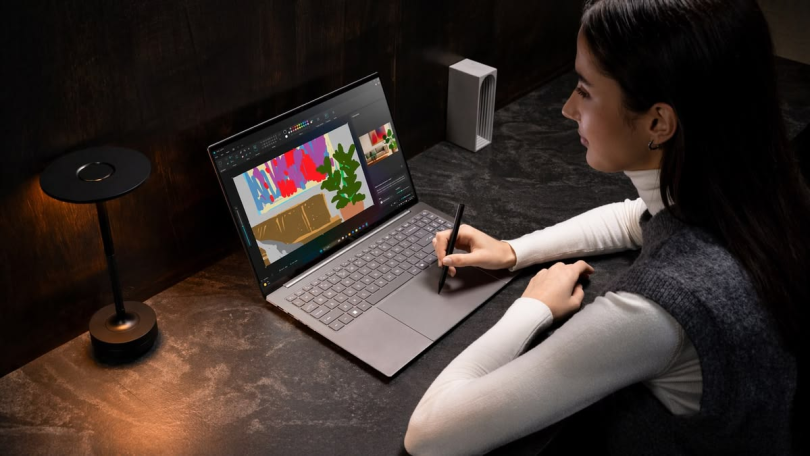

Introduction
Laptop performance reviews help buyers understand how well a laptop handles daily tasks, gaming, editing, multitasking, and professional work. Many people purchase laptops based only on appearance or brand reputation, but actual performance matters much more in the long run. A laptop that looks premium may still struggle with speed, battery life, or cooling efficiency.
Modern laptops come with different processors, graphics cards, storage types, and display technologies. Because of these differences, users often find it difficult to choose the right device. This is where laptop performance reviews become useful. They provide real-world insights about speed, reliability, productivity, and overall value.
Whether you are a student, office worker, gamer, content creator, or business owner, understanding performance reviews can save time and money. Instead of relying on advertisements, buyers can compare actual results and user experiences before making a final decision.
In recent years, laptop manufacturers have introduced powerful machines with advanced processors, faster SSD storage, and improved graphics performance. However, not every laptop delivers the same experience. Some devices perform well during short tasks but overheat during heavy workloads. Others offer excellent battery life but weaker gaming capabilities.
This guide explains everything beginners and intermediate users need to know about laptop performance reviews. You will learn how reviews work, what specifications matter most, common mistakes to avoid, and practical tips for selecting the best laptop for your needs.
What is Laptop Performance Reviews?
Laptop performance reviews are detailed evaluations that measure how a laptop performs in different situations. These reviews test the speed, efficiency, battery life, graphics quality, cooling system, and multitasking capabilities of a device.
Reviewers usually examine several important areas, including:
- Processor performance
- RAM efficiency
- SSD or HDD speed
- Graphics capability
- Battery backup
- Build quality
- Display clarity
- Thermal management
Laptop performance reviews often include benchmark scores. Benchmarks are standardized tests that measure how quickly a laptop completes specific tasks. For example, reviewers may test how fast a laptop edits videos, opens applications, or handles games.
Real-world testing is also important. A laptop may score high in benchmarks but still feel slow during normal use if software optimization is poor. Because of this, good reviews combine technical tests with practical experiences.
Different users require different performance levels. A student may only need a lightweight laptop for browsing and assignments, while a video editor needs powerful hardware for rendering projects. Laptop performance reviews help users match their needs with the right device.
Reliable reviews also discuss durability, keyboard comfort, speaker quality, and portability. These factors affect everyday usage and should not be ignored.
Why is Laptop Performance Reviews Important?
Laptop performance reviews are important because they help buyers avoid poor purchasing decisions. Without proper research, users may spend money on devices that fail to meet their expectations.
Here are several reasons why performance reviews matter:
- They reveal real-world speed and reliability.
- They compare competing laptop models fairly.
- They highlight hidden problems like overheating.
- They help buyers choose suitable hardware.
- They explain whether a laptop offers good value.
Many advertisements focus only on attractive features while ignoring limitations. For example, a laptop may advertise a fast processor but include insufficient RAM or weak cooling. Performance reviews expose these issues through practical testing.
Reviews also help users understand future usability. A laptop that performs well today may become outdated quickly if it lacks upgrade options or modern specifications.
Budget management is another major reason. Buyers can compare laptops within the same price range and determine which option delivers better performance.
Laptop performance reviews are especially useful for gamers and professionals. Gaming laptops require balanced graphics performance and cooling systems. Similarly, professionals need stable devices capable of handling demanding software without lag.
In addition, reviews often include battery tests. This helps users determine whether a laptop can last through work sessions, travel, or college classes without constant charging.
Detailed Step-by-Step Guide
Understand Your Usage Needs
Before reading laptop performance reviews, identify your main purpose.
Different users require different hardware levels:
- Students need portability and battery life.
- Gamers require dedicated graphics cards.
- Designers need color-accurate displays.
- Office workers prefer reliability and comfort.
- Video editors need high-performance processors.
Understanding your requirements prevents overspending and confusion.
Learn About Laptop Processors
The processor is the brain of the laptop. Laptop performance reviews usually focus heavily on CPU power because it affects overall speed.
Popular processor families include:
- Intel Core i3, i5, i7, and i9
- AMD Ryzen 3, 5, 7, and 9
- Apple Silicon processors
Entry-level processors work well for browsing and office tasks. Mid-range processors handle multitasking and editing comfortably. High-end processors are ideal for gaming and professional workloads.
When reading reviews, pay attention to:
- Core count
- Clock speed
- Thermal efficiency
- Power consumption
Check RAM Capacity
RAM affects multitasking performance. Laptop performance reviews often test how smoothly devices handle multiple applications simultaneously.
Recommended RAM sizes include:
- 8GB for basic tasks
- 16GB for multitasking and gaming
- 32GB or more for professional workloads
Insufficient RAM causes slowdowns and lag during heavy usage.
Evaluate Storage Performance
Storage type greatly affects loading speed.
There are two common storage options:
- HDD
- SSD
Solid-state drives are significantly faster than traditional hard drives. Most modern laptop performance reviews recommend SSD storage because it improves boot times and application responsiveness.
NVMe SSDs offer even better performance compared to standard SATA SSDs.
Analyze Graphics Performance
Graphics performance matters for gaming, editing, and creative work.
Integrated graphics are suitable for casual users. Dedicated graphics cards provide better gaming and rendering capabilities.
Laptop performance reviews often compare:
- Frame rates
- Rendering speeds
- Graphic settings
- Thermal stability
Popular graphics brands include NVIDIA and AMD.
Review Battery Life Tests
Battery performance is essential for portability.
Reliable laptop performance reviews test battery life under different conditions, such as:
- Web browsing
- Video playback
- Gaming
- Productivity tasks
A powerful laptop with poor battery life may not suit travelers or students.
Examine Cooling and Thermal Management
Heat affects long-term performance and durability.
Many laptops throttle performance when temperatures rise. Good laptop performance reviews include temperature testing to identify overheating problems.
Effective cooling systems maintain stable performance during extended workloads.
Study Display Quality
Display quality affects productivity and entertainment.
Important display features include:
- Resolution
- Brightness
- Refresh rate
- Color accuracy
- Viewing angles
Gamers usually prefer high refresh rates, while designers prioritize accurate colors.
Compare Build Quality
A laptop should feel durable and comfortable.
Laptop performance reviews often evaluate:
- Keyboard quality
- Trackpad responsiveness
- Hinge durability
- Material strength
Premium materials improve longevity and user experience.
Read Real User Feedback

Professional reviews are helpful, but user feedback also matters.
Real users often reveal long-term issues that reviewers may not notice during short testing periods.
Look for repeated complaints related to:
- Battery degradation
- Heating
- Software bugs
- Fan noise
- Screen issues
Benefits of Laptop Performance Reviews
Laptop performance reviews provide several advantages for buyers and technology enthusiasts.
- Help users understand hardware capabilities
- Reduce the risk of buying unsuitable laptops
- Save money through informed decisions
- Compare competing models effectively
- Identify long-term reliability issues
- Explain gaming and productivity performance
- Reveal hidden thermal problems
- Highlight battery efficiency
- Assist beginners with technical knowledge
- Improve confidence before purchasing
Another important benefit is future planning. Reviews help users select laptops that remain useful for several years instead of becoming outdated quickly.
Performance reviews also encourage manufacturers to improve product quality. Honest feedback pushes brands to fix issues and deliver better devices.
Disadvantages / Risks
Although laptop performance reviews are useful, they also have some limitations and risks.
- Some reviews may be biased
- Sponsored content can affect honesty
- Benchmark results vary between reviewers
- User experiences differ depending on software usage
- Certain tests may not reflect real-world conditions
- Overemphasis on numbers can confuse beginners
- Some reviews ignore build quality or comfort
- Older reviews may contain outdated information
Another risk is relying only on one source. A single review may overlook important problems. Reading multiple laptop performance reviews provides a more balanced understanding.
Users should also remember that performance depends partly on personal expectations. A casual user may find a laptop fast enough, while a professional editor may consider the same device insufficient.
Common Mistakes to Avoid
Many buyers make avoidable mistakes when reading laptop performance reviews.
One common mistake is focusing only on processor speed. While processors matter, RAM, cooling, storage, and graphics performance are equally important.
Another mistake is ignoring battery life. Some high-performance laptops perform extremely well but offer disappointing battery backup.
Buyers also often purchase laptops with insufficient storage. Modern applications and games require significant space, making larger SSDs more practical.
Choosing appearance over functionality is another issue. Thin laptops may look attractive but sometimes sacrifice cooling efficiency.
Many beginners fail to check upgrade options. A laptop with upgradeable RAM or storage offers better long-term value.
Ignoring thermal reviews can also cause problems. Overheating affects comfort, gaming performance, and hardware lifespan.
Some users buy gaming laptops for office work even though they are heavier, louder, and consume more power. Understanding actual needs prevents unnecessary spending.
Another mistake is trusting only advertisements instead of independent laptop performance reviews.
FAQs
What are laptop performance reviews?
Laptop performance reviews are evaluations that test and analyze how well a laptop performs in tasks such as gaming, editing, browsing, and multitasking.
Why should beginners read laptop performance reviews?
Beginners can avoid poor purchasing decisions by understanding real-world performance, battery life, and reliability before buying a laptop.
Which laptop specifications matter most?
The most important specifications include processor, RAM, SSD storage, graphics card, battery life, and cooling performance.
Are gaming laptops good for regular use?
Yes, gaming laptops can handle regular tasks easily. However, they are often heavier, noisier, and more expensive than standard laptops.
How much RAM is enough for daily tasks?
For general browsing and office work, 8GB RAM is usually enough. For gaming and editing, 16GB or more is recommended.
Do SSDs improve laptop speed?
Yes, SSDs significantly improve boot times, file transfers, and application loading compared to traditional hard drives.
How often should I upgrade my laptop?
Most users upgrade laptops every four to six years depending on performance needs and software requirements.
Can laptop overheating reduce performance?
Yes, overheating can force laptops to lower processing speeds, causing lag and reduced efficiency during demanding tasks.
Expert Tips & Bonus Points
Choosing the right laptop becomes easier when you follow expert recommendations.
Always compare at least three laptops before making a final decision. This helps you understand market standards and pricing differences.
Prioritize balanced performance instead of chasing only high specifications. A well-balanced laptop usually performs better in everyday situations.
If possible, choose laptops with upgradeable RAM and storage. These upgrades extend device lifespan and improve long-term value.
Read both professional and user-based laptop performance reviews for a complete perspective.
For students and travelers, lightweight designs and long battery life are more important than extreme performance.
Gamers should pay close attention to cooling systems and graphics cards. A powerful GPU without proper cooling may underperform during extended sessions.
Content creators should focus on color accuracy, processor strength, and SSD speed.
Business users should prioritize reliability, keyboard comfort, and security features.
It is also wise to check warranty coverage and customer service quality before purchasing a laptop.
Using cooling pads, keeping software updated, and cleaning dust regularly can maintain performance over time.
Finally, avoid rushing purchases during promotional campaigns. Carefully analyzing laptop performance reviews leads to smarter buying decisions.
Conclusion
Laptop performance reviews play a major role in helping users select the right device for work, study, entertainment, and professional tasks. With countless models available in the market, understanding performance details has become more important than ever. Reviews provide valuable information about speed, graphics capability, battery life, thermal management, and real-world usability.
For beginners, performance reviews simplify technical concepts and explain which specifications truly matter. Intermediate users benefit from deeper comparisons involving benchmarks, multitasking efficiency, and long-term reliability. Instead of relying on marketing claims, buyers can make informed decisions based on actual testing and user experiences.
A good laptop should match your specific needs rather than simply offering the highest specifications. Students may prioritize portability and battery life, while gamers focus on graphics and cooling systems. Professionals often require balanced performance for editing, multitasking, and productivity software.
Reading multiple laptop performance reviews is always recommended because different reviewers may highlight different strengths and weaknesses. Comparing opinions helps users gain a complete understanding before investing money.
Technology continues evolving rapidly, and modern laptops now offer impressive power in compact designs. However, choosing wisely requires careful research and realistic expectations. By understanding the basics of processors, RAM, storage, graphics, and thermal performance, users can confidently select laptops that deliver excellent value and long-term satisfaction.
Ultimately, laptop performance reviews are not just about numbers and benchmarks. They are practical tools that guide users toward smarter, more reliable, and more satisfying technology choices.