
Introduction
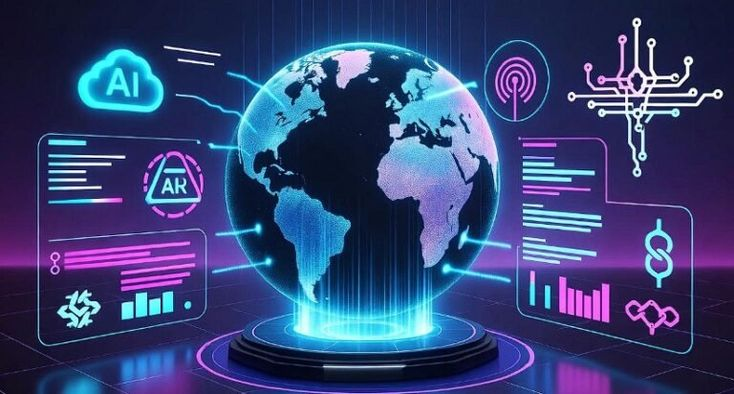
Technology is evolving faster than ever before. From artificial intelligence to cloud computing, modern innovations are changing how businesses operate and how people interact with the digital world. Companies across industries are investing heavily in new technologies to improve productivity, customer experience, and security. As a result, understanding current tech industry trends has become essential for businesses, students, entrepreneurs, and professionals alike.
In recent years, digital transformation has accelerated globally. Organizations are moving toward automation, remote collaboration, and data-driven decision-making. At the same time, consumers are demanding faster services, smarter devices, and more personalized experiences. These changes are pushing companies to adopt advanced solutions that can help them stay competitive in a rapidly changing market.
For beginners and intermediate readers, keeping up with technology may seem overwhelming. However, learning about the most important trends can provide valuable insights into future opportunities and challenges. Whether someone wants to start a technology-related business, build a career in IT, or simply stay informed, understanding these developments is extremely useful.
This article explores major tech industry trends, why they matter, how businesses are adopting them, and what benefits and risks they bring. It also includes expert advice, common mistakes to avoid, and answers to frequently asked questions. By the end, readers will have a clear understanding of how technology is shaping the future of industries worldwide.
What is Tech Industry Trends?
Tech industry trends refer to the latest developments, innovations, and changes happening within the technology sector. These trends influence how businesses operate, how consumers use digital products, and how industries evolve over time.
Technology trends are not limited to software companies alone. They affect healthcare, education, finance, manufacturing, retail, transportation, and nearly every other industry. Examples include artificial intelligence, cybersecurity advancements, cloud computing, blockchain technology, and the rise of remote work tools.
A trend becomes important when it starts impacting large numbers of businesses and users. For example, smartphones were once considered a luxury innovation. Today, they are essential tools used globally for communication, shopping, entertainment, and work.
Understanding tech industry trends helps individuals and organizations prepare for future changes. Companies that adopt new technologies early often gain competitive advantages, improve efficiency, and attract more customers.
Some trends last for a short period, while others permanently transform industries. Therefore, businesses must continuously monitor the technology landscape to remain successful.
Why is Tech Industry Trends Important?
Technology trends play a major role in shaping the modern economy and digital lifestyle. Businesses that fail to adapt to new technologies may struggle to compete with faster and more innovative competitors.
Here are several reasons why tech industry trends are important:
- Improved Business Efficiency
Modern technology automates repetitive tasks, reducing manual work and saving time. - Better Customer Experience
Businesses use advanced tools to provide personalized recommendations, faster support, and convenient services. - Increased Innovation
Technology trends encourage companies to create new products and services that meet changing consumer demands. - Enhanced Communication
Remote collaboration platforms allow teams to work efficiently from different locations. - Stronger Security
Cybersecurity innovations help businesses protect sensitive information from online threats. - Career Opportunities
New technologies create demand for skilled professionals in software development, data analysis, cybersecurity, and digital marketing. - Economic Growth
Technology contributes significantly to global economic development by improving productivity and creating new industries.
Businesses that understand emerging trends can make smarter investment decisions and prepare for future market changes more effectively.
Detailed Step-by-Step Guide
Understanding Artificial Intelligence
Artificial intelligence is one of the biggest tech industry trends today. AI systems can analyze data, recognize patterns, and automate complex tasks.
Businesses use AI for:
- Customer support chat systems
- Data analysis
- Fraud detection
- Personalized recommendations
- Predictive analytics
For example, streaming platforms recommend movies based on viewing history. Online stores suggest products according to customer behavior.
AI improves efficiency and reduces human error. However, businesses must ensure responsible and ethical use of AI technologies.
Growth of Cloud Computing
Cloud computing allows companies to store data and run applications over the internet instead of relying on physical servers.
Popular benefits include:
- Lower infrastructure costs
- Remote access to data
- Better scalability
- Improved collaboration
- Automatic software updates
Many businesses now use cloud-based tools for communication, project management, and data storage. This trend continues to grow because it offers flexibility and convenience.
Cybersecurity Advancements
As digital systems expand, cyber threats are increasing rapidly. Businesses are investing more in cybersecurity to protect sensitive data and maintain customer trust.
Important cybersecurity measures include:
- Multi-factor authentication
- Data encryption
- Security monitoring
- Employee awareness training
- Regular software updates
Cybersecurity is now a top priority for organizations of all sizes. Even small businesses are becoming targets for hackers.
Rise of Remote Work Technology
Remote work became more common due to advances in digital communication tools. Video conferencing platforms, cloud collaboration software, and project management systems allow employees to work from anywhere.
Benefits of remote work technology include:
- Flexible work environments
- Reduced commuting time
- Increased productivity
- Access to global talent
Businesses continue investing in hybrid work solutions to support both office and remote employees.
Expansion of Internet of Things
The Internet of Things refers to connected devices that communicate through the internet.
Examples include:
- Smart home devices
- Fitness trackers
- Smart vehicles
- Industrial sensors
- Connected appliances
IoT devices collect and share data, helping businesses improve operations and user experiences. Smart factories use sensors to monitor equipment performance and reduce downtime.
Blockchain Technology Development
Blockchain technology is gaining attention beyond cryptocurrency. It provides secure and transparent digital record systems.
Industries using blockchain include:
- Finance
- Healthcare
- Supply chain management
- Real estate
Blockchain improves transparency, reduces fraud, and increases transaction security.
Growth of 5G Networks
5G technology offers faster internet speeds and lower latency compared to previous mobile networks.
Benefits of 5G include:
- Faster downloads
- Better video streaming
- Improved gaming experiences
- Enhanced smart device connectivity
Industries such as healthcare and transportation are exploring how 5G can improve operations and communication.
Data Analytics and Big Data
Businesses collect massive amounts of data daily. Data analytics tools help organizations understand customer behavior and improve decision-making.
Companies use big data for:
- Market research
- Customer insights
- Risk analysis
- Product development
- Business forecasting
Data-driven strategies help companies stay competitive and identify growth opportunities.
Automation and Robotics
Automation technology reduces repetitive manual work and improves operational efficiency.
Examples include:
- Manufacturing robots
- Automated customer service
- Warehouse automation
- Smart inventory systems
Automation saves time and reduces operational costs while improving accuracy.
Sustainable Technology Innovations
Many companies are investing in environmentally friendly technology solutions.
Examples include:
- Energy-efficient devices
- Electric vehicles
- Renewable energy systems
- Green data centers
Sustainable technology helps reduce environmental impact while supporting long-term business growth.
Benefits of Tech Industry Trends
- Increased productivity and efficiency
- Better customer experiences
- Faster communication and collaboration
- Improved business decision-making
- Enhanced cybersecurity protection
- Reduced operational costs
- Greater scalability for businesses
- Access to global markets
- New career opportunities
- Increased innovation across industries
- Better remote work solutions
- Stronger competitive advantages
- Improved healthcare technology
- Smarter manufacturing systems
- More personalized digital services
Technology trends also encourage businesses to become more adaptable and future-focused.
Disadvantages / Risks
- High implementation costs
- Increased cybersecurity threats
- Privacy concerns related to data collection
- Dependence on digital systems
- Potential job displacement due to automation
- Rapid technology changes causing skill gaps
- Technical issues and system failures
- Expensive maintenance and upgrades
- Risk of data breaches
- Challenges in employee training
- Ethical concerns regarding artificial intelligence
- Overreliance on cloud-based services
- Difficulty adapting to constant innovation
- Internet connectivity limitations in some areas
Businesses must carefully manage these risks while adopting new technologies.
Common Mistakes to Avoid
Many businesses make mistakes when trying to follow technology trends. Avoiding these errors can improve long-term success.
Ignoring Employee Training
New technology is only effective if employees know how to use it properly. Companies should invest in regular training programs.
Following Every Trend Blindly
Not every technology trend is suitable for every business. Organizations should focus on solutions that align with their goals and customer needs.
Neglecting Cybersecurity
Some companies prioritize innovation while ignoring security measures. This can lead to serious data breaches and financial losses.
Poor Planning
Implementing technology without a clear strategy often creates confusion and inefficiency. Businesses should define objectives before investing in new systems.
Underestimating Costs
Technology implementation involves more than purchasing software or devices. Maintenance, upgrades, and training expenses should also be considered.
Failing to Monitor Performance
Businesses should track results after adopting new technology. Monitoring performance helps identify problems and improve efficiency.
Ignoring Customer Feedback

Customer experience is critical. Companies should listen to user feedback when introducing digital products or services.
FAQs
What are the biggest tech industry trends today?
Some of the biggest trends include artificial intelligence, cloud computing, cybersecurity, remote work technology, blockchain, IoT devices, and automation.
Why is artificial intelligence important in business?
Artificial intelligence helps businesses automate tasks, analyze data, improve customer service, and increase operational efficiency.
How does cloud computing benefit companies?
Cloud computing reduces infrastructure costs, improves flexibility, enables remote access, and supports better collaboration among teams.
What is the purpose of cybersecurity technology?
Cybersecurity technology protects systems, networks, and sensitive data from hackers, malware, and digital threats.
How is remote work changing industries?
Remote work technology allows employees to work from different locations while maintaining communication and productivity.
What industries are affected by tech industry trends?
Almost every industry is affected, including healthcare, education, finance, retail, manufacturing, transportation, and entertainment.
Is automation replacing human jobs?
Automation may reduce some repetitive jobs, but it also creates new opportunities in technology development, maintenance, and management.
Why is data analytics important?
Data analytics helps businesses understand customer behavior, improve marketing strategies, and make informed decisions.
What role does 5G play in technology?
5G provides faster internet speeds, improved connectivity, and better support for smart devices and advanced digital services.
How can beginners learn about technology trends?
Beginners can learn through online courses, technology blogs, industry news, webinars, and hands-on practice with digital tools.
Expert Tips & Bonus Points
Staying updated with tech industry trends requires continuous learning and adaptability. Here are some expert tips for beginners and businesses.
Focus on Practical Skills
Learning practical digital skills can provide long-term career benefits. Areas such as coding, cybersecurity, and data analysis are highly valuable.
Follow Industry News
Reading technology news regularly helps individuals stay informed about innovations and market developments.
Invest in Cybersecurity Early
Businesses should prioritize cybersecurity from the beginning instead of treating it as an afterthought.
Start Small with Automation
Companies do not need to automate everything immediately. Starting with simple repetitive tasks can provide quick benefits.
Encourage Innovation Culture
Organizations should encourage employees to share ideas and experiment with new technologies.
Monitor Consumer Behavior
Technology trends are often driven by changing customer preferences. Businesses should understand what users expect from digital experiences.
Use Data for Decision-Making
Businesses that rely on accurate data often make better strategic decisions and improve overall performance.
Prepare for Continuous Change
Technology evolves rapidly. Flexibility and willingness to adapt are essential for long-term success.
Build Strong Digital Infrastructure
Reliable internet connections, secure systems, and scalable platforms support smoother business operations.
Prioritize User Experience
Digital products should be easy to use, fast, and customer-friendly. Positive user experiences increase customer loyalty.
Conclusion
Technology continues to transform industries and reshape the way businesses and individuals interact with the world. From artificial intelligence and cloud computing to cybersecurity and automation, modern innovations are creating new opportunities while also introducing fresh challenges. Companies that adapt to changing technology trends are more likely to remain competitive, improve customer experiences, and achieve long-term growth.
Understanding tech industry trends is no longer optional. Businesses of all sizes must stay informed about emerging technologies and evolving market demands. At the same time, individuals who develop digital skills and remain open to learning can benefit from expanding career opportunities in the technology sector.
Although technology adoption comes with risks such as cybersecurity threats, implementation costs, and skill gaps, careful planning and strategic investment can help organizations overcome these obstacles successfully. Companies should focus on practical solutions that align with their goals instead of chasing every new trend without proper evaluation.
The future of technology will likely bring even more innovation, connectivity, and automation across industries worldwide. Businesses that embrace change responsibly and prioritize user experience will continue to thrive in this rapidly evolving digital environment. By understanding and applying modern tech industry trends effectively, organizations and individuals can prepare themselves for a smarter, more connected, and more innovative future.